

Ffynnon Llysiog
Sacred springs - heritage - legend & acoustic memory


Welcome to an exploration of Ffynnon Llysiog and the sacred folklore woven into historical song. Beyond ancient waters, secluded mountain hollows, and lingering Celtic lore, musical storytelling uncovers the quiet devotion, healing traditions, and forgotten truths preserved across the centuries.
Waters of renewal
Echoes of the sacred waters


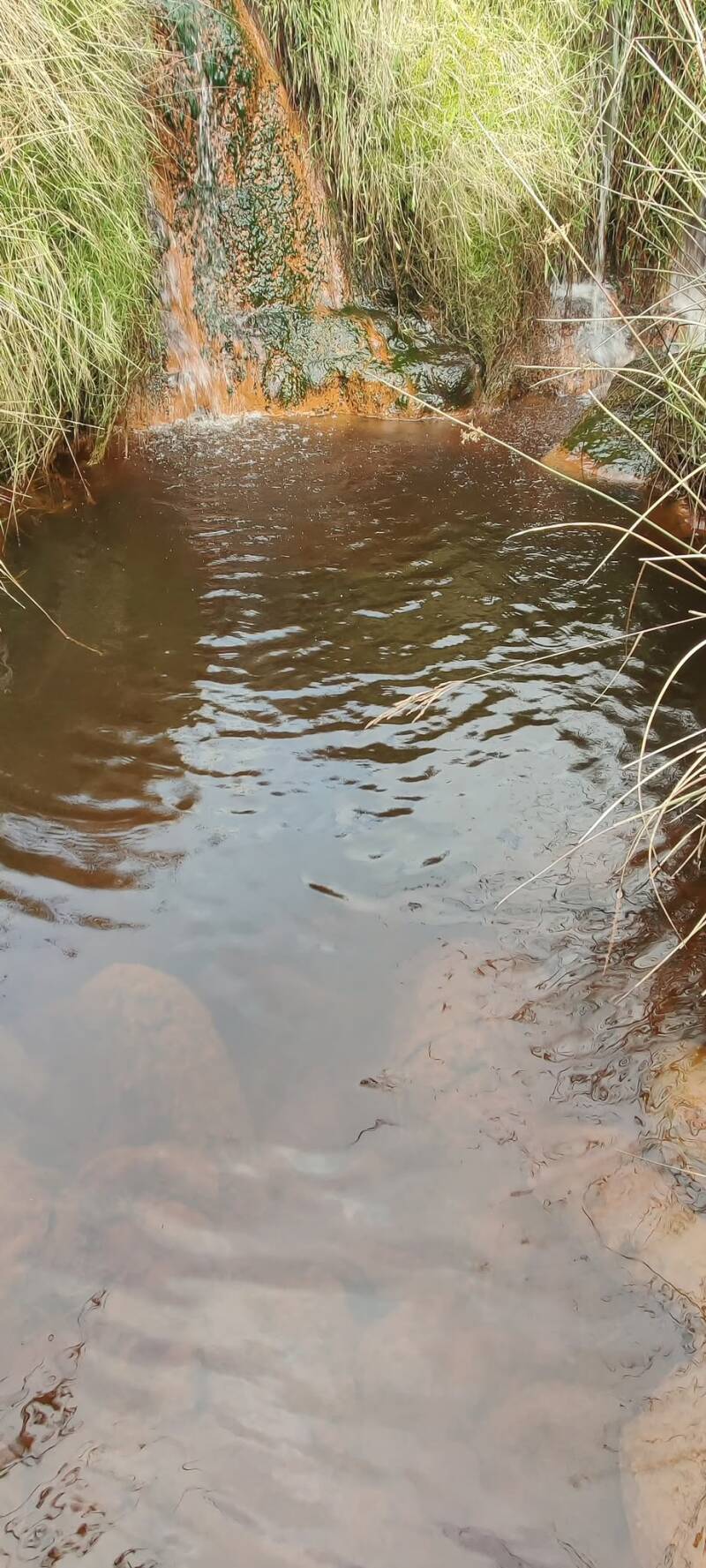


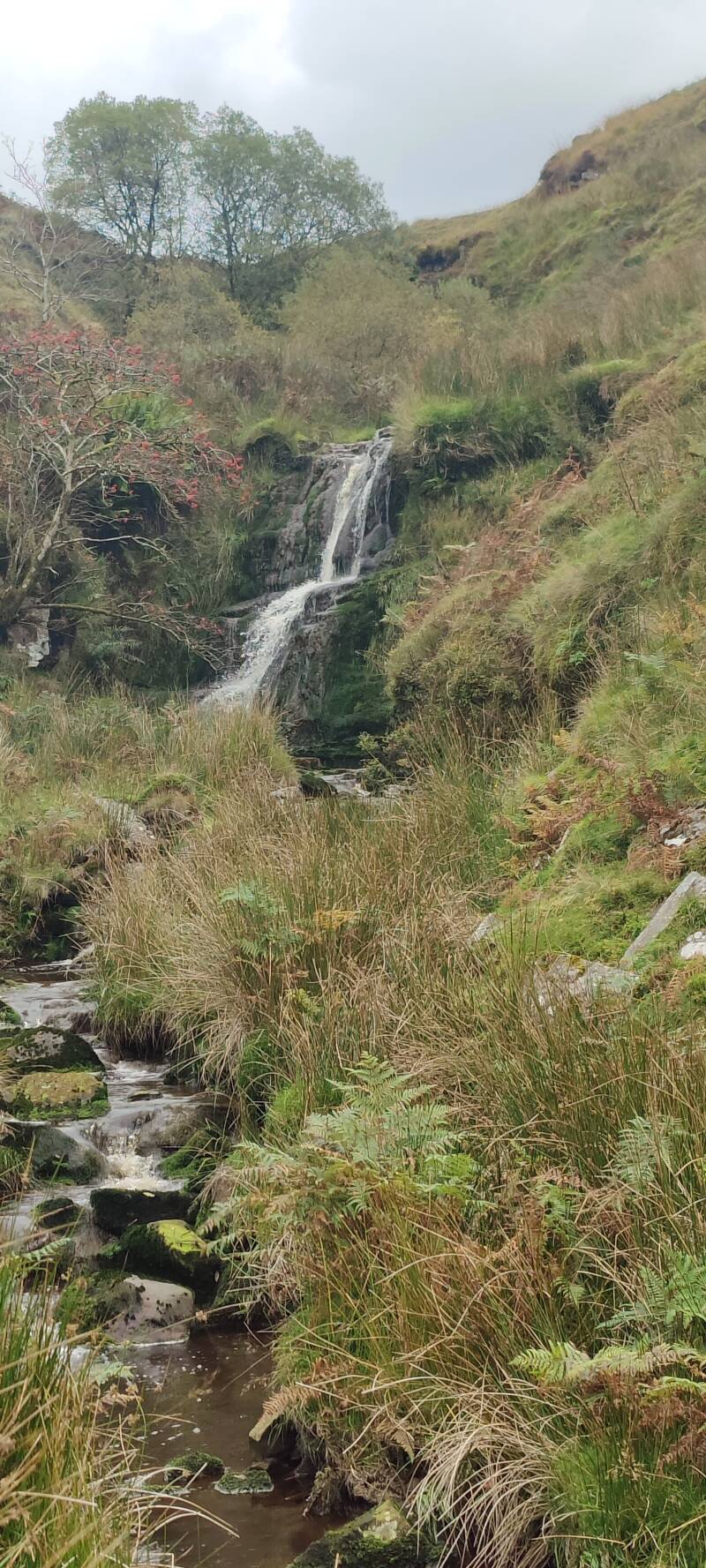
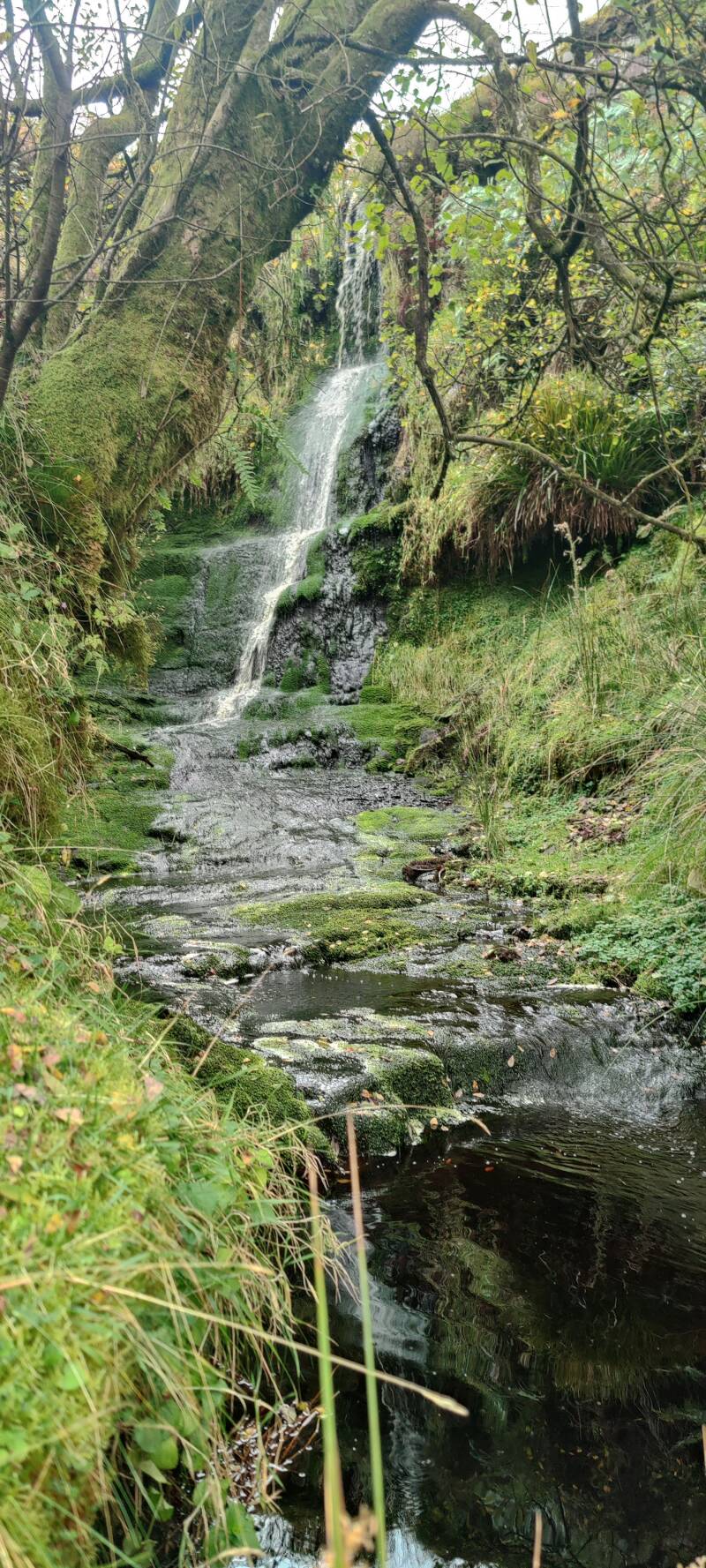
Ffynnon Llysiog is a remote natural spring (ffynnon is Welsh for well, spring, or source) located within Cwm Llysiog, a secluded and unfrequented glacial valley in the southern region of the Brecon Beacons National Park (Bannau Brycheiniog) in Wales, above the Llwyn-on reservoir area near Vaynor and Cefn Coed.
Characteristics of the Spring and Location
- The Setting: Cwm Llysiog is a quiet, wild, and rugged pocket of the Brecon Beacons, featuring steep valley sides and waterfalls at its head.
- The Name: The name Llysiog translates roughly from Welsh to mean "abounding in herbs" or "herbal/ leafy," which historically points to a landscape rich in vegetation. (Older spellings sometimes appear as Nant Llysiuog).
Healing Powers and Folklore
Unlike major Welsh holy wells (such as St. Winifred’s Well or Ffynnon Fair) that attracted thousands of medieval pilgrims for documented miraculous cures of rheumatism, blindness, or skin diseases, Ffynnon Llysiog is primarily a topographic feature and natural mountain spring rather than a formalized Christian shrine with an extensive ledger of miraculous healings.
However, looking at it through the lens of Welsh folklore and the geography of the area:
- The Healing Power of Nature: While there are no specific legends of saints performing miraculous physical healings at Ffynnon Llysiog itself, remote springs (ffynnons) in Welsh tradition were often revered for the pure, life-giving properties of their waters.
- The "Herbal" Connection: Given the linguistic root of Llysiog (implying herbs or plant life), local folklore or historical use of the valley often tied the stream and spring (Nant Llysiog) to the natural abundance of the surrounding terrain, which was historically traversed for mountain grazing, wild plants, and trout streams.
Connecting the wild, secluded spring of Ffynnon Llysiog—nestled in its Ffynnon Llysiog herbal-rich Welsh glacial valley—with a music project about the Scottish Wars of Independence creates a striking conceptual bridge. Both themes deal deeply with resilience, heritage, and restoration of the spirit.
Weaving together the healing waters of the Welsh landscape and the proud, restorative power of music during times of historic conflict.
One of the most compelling mysteries of ancient heritage lies in how quiet springs and rocky borders hold whispered legends that defy simple explanation. Why do historic communities preserve stories of healing waters, holy wells, and venerated sanctuaries across hundreds of years?
While official archives record treaties and troop movements, folk memory captures the spiritual reverence, local healing lore, and enduring resilience of everyday people surviving tumultuous eras. Here are the enduring elements that give Ffynnon Llysiog its haunting resonance:
When following the timeless trails of ancient valleys and sacred springs, one feels the hum of untold encounters. This musical journey harmonizes the spiritual threads of history: quiet pilgrimages, sacred waters, rural devotion, and the enduring power of memory carried forward in song.