

The Boy Stood on the Burning Deck
Casabianca
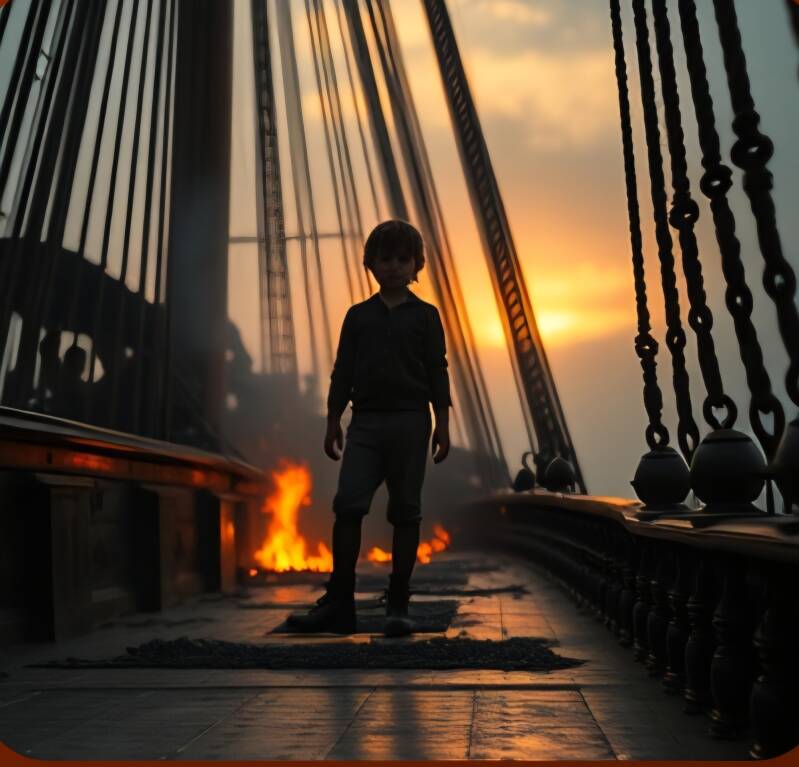
Casabianca is a widely recognised as the title of a narrative poem by the English writer Felicia Hemans, first published in 1826. The poem recounts the story of Giocante Casabianca, a young boy who remained at his post aboard the French warship L’Orient during the Battle of the Nile in 1798. Following his father’s instruction not to leave without permission, he waited as the ship burned around him, unaware that his father had already died. The poem is remembered for its opening line, “The boy stood on the burning deck”, and explores themes of duty, obedience, courage and tragedy.


The Battle Of The Nile 1798
On the night of August 1, 1798, the dark waters of Aboukir Bay off the coast of Egypt lit up with the thunderous fury of the Battle of the Nile. The British Royal Navy, commanded by Rear-Admiral Horatio Nelson, launched a daring night attack on the French fleet, changing the course of history and trapping Napoleon Bonaparte's army in Egypt.
Amidst the roaring canon fire, shattered masts, and choking smoke aboard the French flagship Orient, one story of unfaltering devotion captured the world's imagination.
Twelve-year-old Giocante Casabianca, the young son of the ship's commander, had been stationed at his post. As the vessel caught fire and the flames rapidly closed in, orders were given to abandon ship. Yet, bound by a profound sense of duty and discipline, the boy stood fast. Refusing to leave his post without his father's direct command—unaware that his father had already fallen in the battle—he remained aboard the burning deck.
Moments before the massive flagship exploded, sealing his legendary fate, the young hero became the ultimate symbol of unwavering loyalty. His heartbreaking sacrifice inspired Felicia Hemans’ immortal 1826 poem, "Casabianca" (opening with the famous line, "The boy stood on the burning deck..."), and now, it lives on in song.
Listen to the track above to experience the echoes of that fateful night and the poignant story of a boy who stood his ground against the fire.